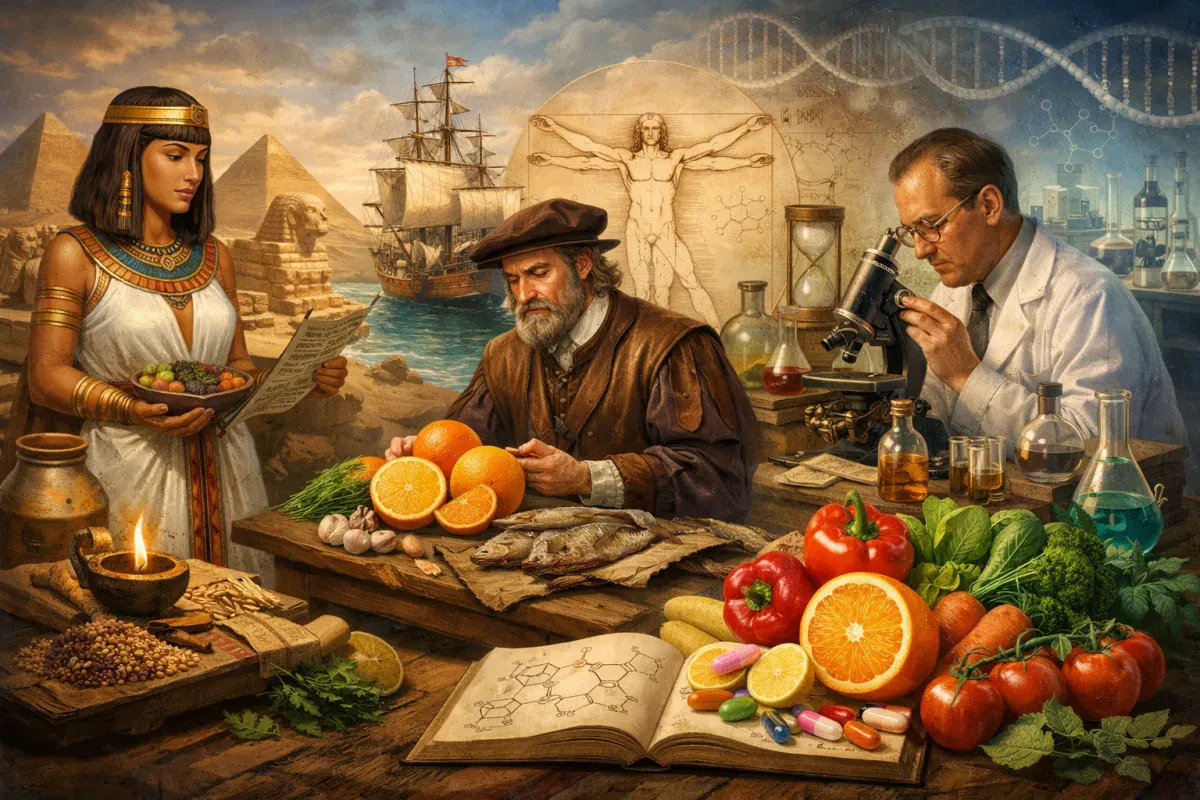
Vitamins are the unsung heroes of our diet, and their story began way back in the early 20th century. It all started when scientists noticed certain diseases seemed connected to the lack of specific nutrients. Imagine folks suffering from something as simple as not having enough oranges to eat! That’s how they discovered Vitamin C’s link to scurvy, a nasty condition that sailors faced on long voyages.
As researchers dove deeper, they uncovered more vitamins, each with its own special role in keeping us healthy. The names we know today—like A, B, C, D, E, and K—started popping up. Each vitamin was like a puzzle piece that fit into our understanding of nutrition. Scientists like Frederick Hopkins and Casimir Funk were key players in this discovery. Funk even coined the term "vitamin," combining "vital" and "amine" since the first vitamins they found had amino-like properties.
With time, more vitamins were isolated and studied. The need for a balanced diet became clear. No more relying on just one food group! People started to realize that eating a variety of foods—like fruits, veggies, and grains—was crucial for good health. This was a big shift in how people thought about food and nutrition.
By the 1930s, vitamins were flying off the shelves in pill form. Suddenly, supplements became a thing! Folks loved the idea of boosting their health with just a simple capsule. This change really set the stage for how we think about vitamins today. We’re all about finding those little extras that can make a big difference in our overall well-being.
Early Discoveries and Breakthroughs
Vitamins have come a long way, starting from early discoveries that shaped our understanding of nutrition. Back in the early 20th century, scientists began to notice that certain foods seemed to prevent specific diseases. This sparked curiosity and led to some groundbreaking research.
One of the first major breakthroughs happened in 1912 when Dr. Casimir Funk discovered what he called "vitamines," a term he coined from "vital amines." He identified the first vitamin, B1, which was crucial for preventing beriberi. This was a game-changer in nutrition science, marking the beginning of a new era where we could actually pinpoint specific nutrients linked to health issues.
Not long after, in the 1920s and 1930s, other key vitamins were identified, including vitamins A, C, and D. Each discovery brought about a better understanding of how vital these nutrients were to our health. For example, researchers found that vitamin A is essential for vision and skin health, while vitamin C helps boost immunity. These findings opened up a whole new world of dietary awareness.
In the decades that followed, researchers continued to explore the benefits of vitamins, expanding the understanding of minerals and their roles. This was crucial during World War II when nutrition became even more important for maintaining soldier health. The findings weren’t just academic; they had real-world applications, affecting diets and health policies that impacted entire populations.
Vitamins in Everyday Life
Vitamins play a huge role in our daily lives, and they’ve been a part of our nutrition story for centuries. Think about it: from the early days when people discovered that certain foods could prevent diseases, vitamins have been seen as miracle workers. They help keep our bodies functioning at their best, boosting our immune system, supporting our digestion, and giving us energy.
Back in the day, explorers figured out that vitamin C-rich foods, like citrus fruits, could keep scurvy at bay. Fast forward to now, and we know all the essential vitamins we need to feel great. Vitamin A is key for our vision, B vitamins help with energy, vitamin D supports bone health, and vitamin E can be a friend to our skin. Each vitamin brings something unique to the table.
With today’s busy lifestyles, it can be tricky to get all the vitamins we need through food alone. Some folks turn to supplements to fill in the gaps. However, getting vitamins from whole foods is always the best route. Foods like leafy greens, nuts, seeds, fruits, and whole grains pack a powerful vitamin punch and are super tasty too!
So, whether you’re enjoying a vibrant salad, sipping on a smoothie, or popping a vitamin, remember those little nutrients are working hard behind the scenes. They keep our bodies running smoothly, helping us lead healthier, happier lives every single day.
The Future of Vitamins
Vitamins are getting a high-tech makeover. With so much knowledge out there, scientists are exploring ways to not just take vitamins, but to personalize them. Imagine taking a test that helps you figure out the specific vitamins your body needs. It’s like the future is telling us exactly what to put in our bodies.
Let’s talk about convenience. Imagine popping a single vitamin in the morning and knowing that it’s packed with everything you need for the day. New technologies are creating smart vitamins that adapt to your lifestyle. If you skip your workout, the vitamin can adjust its formula. How cool is that?
And here’s something exciting: new delivery methods! Think beyond just pills. We’re seeing gummies, powders, and even drinks that contain essential nutrients. The idea is to make taking vitamins feel less like a chore and more like a treat. Who doesn’t want a tasty way to boost their health?
There’s also a big focus on whole-food sourcing. More brands are turning to natural ingredients, which means our vitamins could come from real food rather than synthetic sources. This could change how we feel about vitamins, making them feel less like a supplement and more like part of our diet.
As we look ahead, it’s clear vitamins are not going anywhere. They’ll continue evolving and becoming a bigger part of our health routines. Whether it’s through personalization or innovative delivery methods, the future of vitamins is bright, and it’s all about making health simpler and more effective for everyone.